The outbound landscape has changed more in the last two years than it did in the previous decade. Companies that used to rely on brute force outbound with large lists, repetitive sequences, and manual SDR teams are now shifting toward systems that are faster, more personalized, and far more consistent. Buyers expect quick replies, relevant messaging, and a frictionless experience from the very first touch.
2026 is the first year where a fully automated outbound funnel is realistic for almost any company. The teams that grow the fastest are the ones building systems around context, speed, and automation. Tools like Victoria AI are making this easier by combining research, personalization, outreach, and reply handling into one coordinated workflow.
This article breaks down what the new outbound funnel looks like, why it converts better, and how you can adapt your own pipeline for the modern sales environment.
1. Targeting Is Precise and Data Driven
The old outbound model began with a rough idea of the ideal customer. In 2026, targeting starts with specific signals that show real buying potential. These include hiring activity, tech stack changes, recent funding, executive moves, website updates, and other indicators that the business is in motion.
Better targeting leads to better replies. When you know exactly why a prospect is a strong fit, your outreach feels relevant rather than random. Victoria AI users often see higher reply rates simply because the system pushes clean, signal rich data into the top of the funnel rather than a broad, unfocused list.
Accurate targeting is the foundation of the entire modern pipeline. Every stage performs better when it starts with the right people.
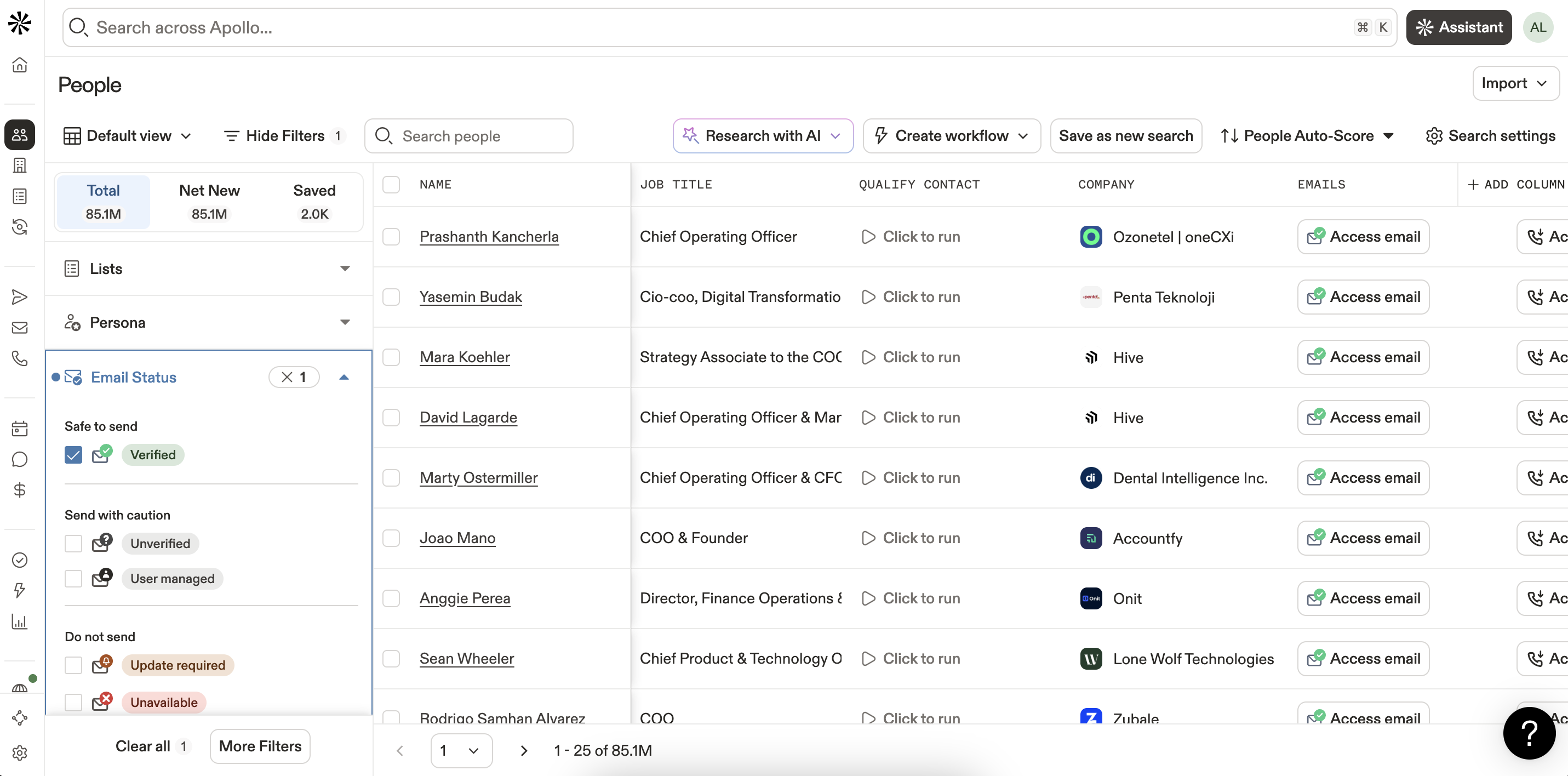
2. Lead Lists Are Clean, Verified, and Updated Constantly
A major difference in the 2026 outbound funnel is the quality and freshness of the data entering it. Instead of working from one large static list, companies refresh their lead lists weekly or daily to ensure accuracy. This keeps the outbound engine healthy and prevents wasted effort.
The best performing teams focus on verified contact data, high quality enrichment, and strict filtering. Smaller, more accurate lists consistently beat large lists filled with low intent contacts.
Victoria AI supports this shift by syncing enriched data directly into the outbound engine and keeping every contact updated as activity changes. Clean data leads to smoother outreach and far better overall performance.
3. Personalization Happens Before Outreach Starts
The biggest shift in the 2026 outbound funnel is how personalization works. It no longer happens manually and it no longer depends on an SDR having time to research each prospect. Personalization now happens automatically and it happens before the first message is even written.
AI reviews a prospect's public footprint in seconds, including:
• their website
• recent LinkedIn posts
• company updates
• product pages
• hiring activity
• news articles
• customer reviews
• competitor landscape
This creates real context, which has become the strongest driver of reply rates.
Why personalization matters
Personalized outreach consistently outperforms generic templates because it:
• signals that you understand the prospect
• removes the "mass blast" feeling
• makes the message more relevant
• increases trust early in the conversation
• creates a natural reason for the prospect to respond
Buyers instantly know when the message was written for them. That alone can double or triple reply rates compared to traditional cold outreach.
Personalization at scale
Doing this manually was never realistic. Doing it with AI is effortless.
Tools like Victoria AI collect all relevant context and generate messaging that feels thoughtful and specific, even when sent to hundreds of prospects.
This one shift has turned personalization from a time consuming manual task into a core engine of the modern outbound funnel.
4. Outreach Is Multi Channel by Default
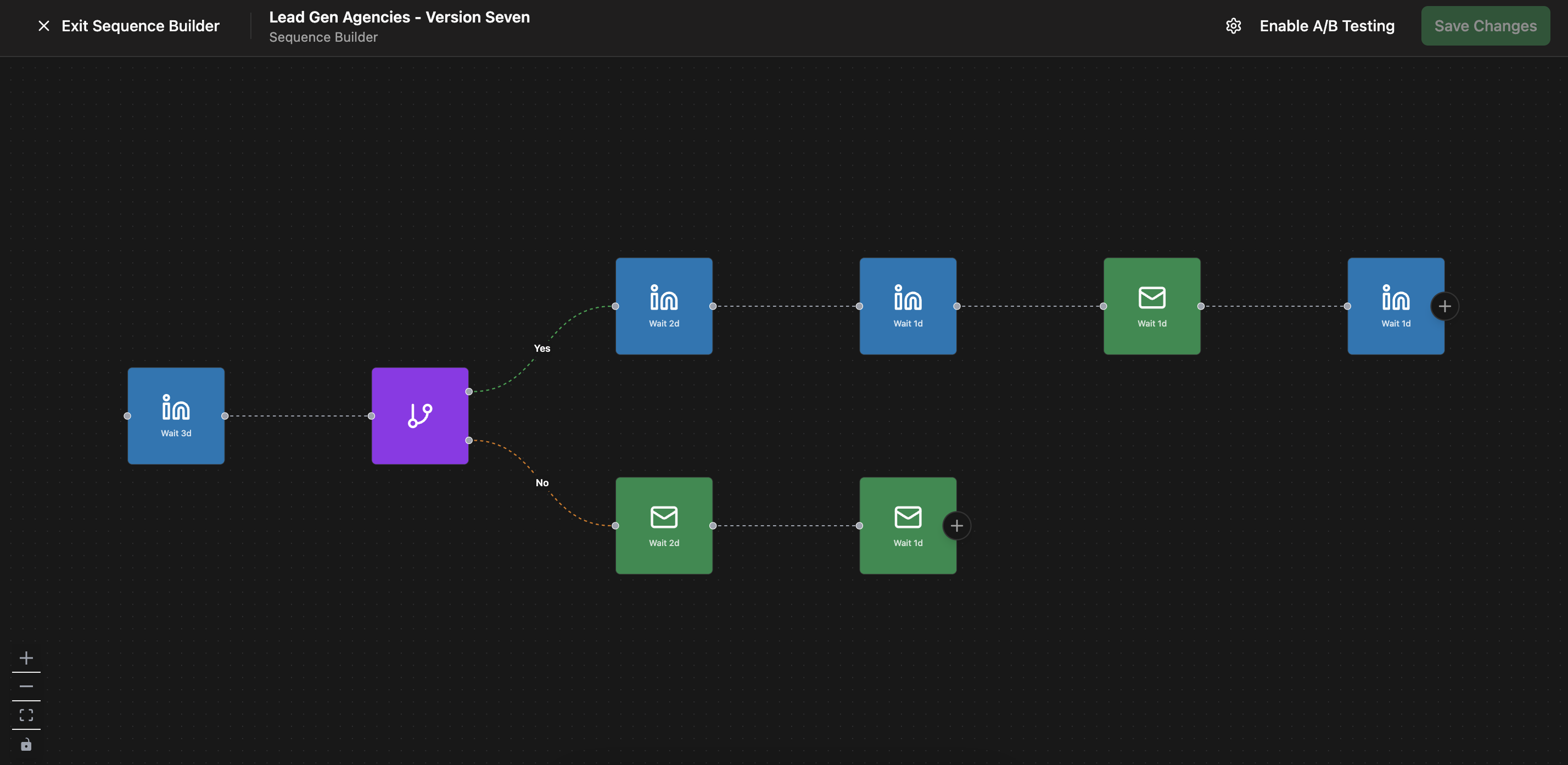
A modern outbound funnel never relies on a single channel. Prospects respond differently depending on timing, device usage, workload, or personal preference. If you only reach out on email, you miss opportunities. If you only use LinkedIn, the same thing happens.
A healthy 2026 funnel includes a natural multi channel rhythm. It usually includes a personalized LinkedIn connection request, a clean introductory email, a brief follow up, a soft nudge on LinkedIn, and a simple call to action. The goal is not to overwhelm the prospect. The goal is to give them several opportunities to engage at the moment they are ready.
Victoria AI coordinates this multi channel sequence automatically so messaging stays consistent and the timing always feels natural.
5. Conversation Handling Has Shifted to AI
This may be the most important shift in the entire funnel. Once a prospect replies, the system no longer waits for a human to intervene. AI can qualify interest, ask the right follow up questions, handle objections, and move the conversation forward immediately.
Speed matters more than ever. If a company replies within the first hour, conversion rates rise sharply. When AI responds in seconds, the results compound.
Victoria AI's conversational engine is designed to manage these early interactions so prospects never wait for a reply. This removes the bottleneck that slows most outbound operations and ensures that every interested buyer is handled consistently.
6. Meetings Are Booked Automatically and Synced Into the CRM
Once a prospect is qualified, the system handles scheduling, reminders, and CRM updates without needing a human to coordinate it. This removes manual steps that used to cause friction, delays, or missed opportunities.
A clean handoff into the sales calendar creates a predictable engine for booked meetings. Instead of chasing replies, sales teams simply show up to conversations that are already qualified and ready.
Tools like Victoria AI plug into calendars and CRMs so all of this flows automatically. This is what transforms outbound from a task into a true growth system.
7. The Modern Outbound Funnel Works as One Unified System
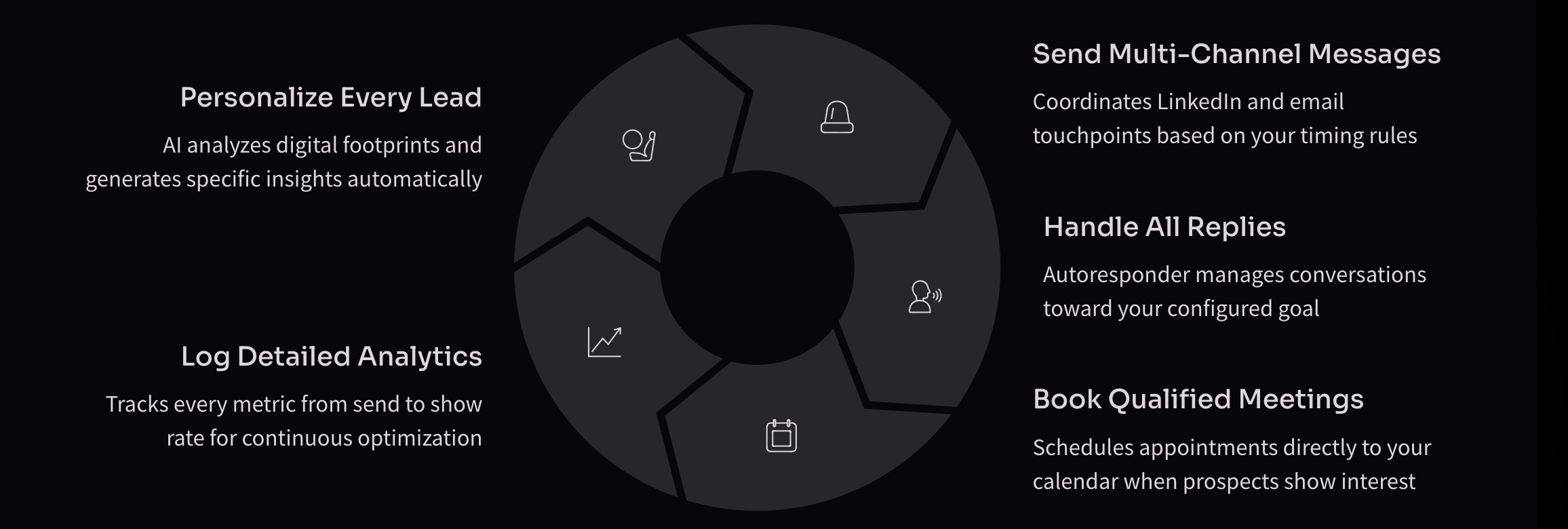
The biggest difference between traditional outbound and the 2026 funnel is integration. Companies are moving away from managing five to ten separate tools. They prefer one unified engine that handles research, personalization, outreach, replies, scheduling, and CRM syncing from end to end.
A connected system reduces data leaks, improves message consistency, and eliminates the manual work that used to create bottlenecks. It also learns over time and improves based on real conversations and outcomes.
Victoria AI is built around this unified model. It is designed to run the entire outbound pipeline automatically so teams can focus on taking calls and closing deals instead of managing dozens of moving parts.
Conclusion: Outbound in 2026 Is Smarter, Faster, and Fully Automated
The outbound funnel has entered a new era. Targeting is sharper, data is cleaner, personalization is deeper, outreach is multi channel, replies are handled instantly, and meetings are booked automatically. What used to take a full SDR team now runs inside a single integrated system.
Teams that adopt this new model are seeing stronger reply rates, more qualified conversations, and a steady flow of pipeline without the cost or complexity of traditional outbound. The companies that continue relying on outdated processes are starting to fall behind.
If you want to build an outbound engine that matches the expectations of 2026, this is the model to follow. And platforms like Victoria AI make it possible to deploy this entire funnel without needing to manage a complicated tech stack.
The future of outbound is automated, contextual, and always on. The teams who embrace it early will set the pace for everyone else.